
How to Reduce Garage Door Noise: Expert Tips from Boston Experts Garage Door Repair
Is your garage door louder than it should be? Discover effective strategies to reduce garage door noise with insights from Boston Experts Garage Door Repair.

Why Garage Door Noise Matters
Garage doors are essential to the functionality of your home, but they can also become a source of unwanted noise. Whether it's the creaking of the door or the rumble of the motor, excessive noise can be annoying, especially if your garage is attached to the house. Understanding how to reduce garage door noise can enhance your living environment and prolong the life of your garage door system.
Common Sources of Garage Door Noise
Before you can effectively address the noise, it’s crucial to identify its sources. Here are some common culprits:
- Worn-out rollers: Old or damaged rollers can cause grinding and squeaking sounds.
- Lack of lubrication: Insufficient lubrication on moving parts leads to friction and noise.
- Loose hardware: Bolts and nuts that are not tightly secured can rattle as the door moves.
- Motor noise: The garage door opener itself can produce significant noise, especially if it’s an older model.
- Environmental factors: Noise can also be amplified by the garage’s structure and the materials used.
Tips to Reduce Garage Door Noise
Now that we’ve identified the main sources of noise, let's look at some practical solutions to quiet down your garage door.
1. Regular Maintenance
Routine maintenance is key to keeping your garage door operating smoothly and quietly. Follow these maintenance steps:
- Inspect the door and all its components at least once every month.
- Tighten any loose hardware and replace worn-out parts.
- Test the balance of the door; it should not be too heavy on one side.
2. Lubrication
Proper lubrication plays a significant role in reducing noise. Consider the following:
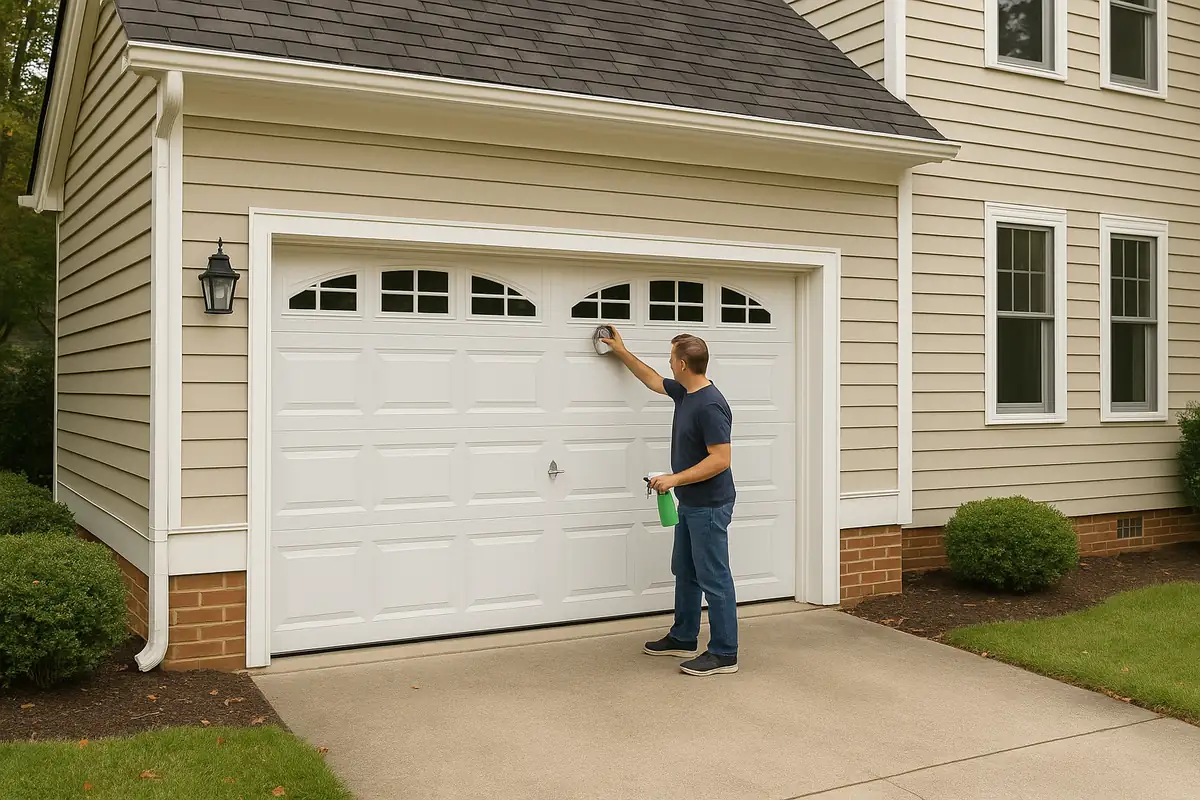
- Use a garage door lubricant that can be applied to the rollers, hinges, and tracks.
- Avoid using WD-40 or similar products, as they can attract dirt and lead to more noise.
- Lubricate the components every six months or more frequently if the door operates often.
3. Upgrade Your Rollers
If your garage door has traditional metal rollers, consider upgrading to nylon rollers. Here are the benefits:
- Nylon rollers are quieter and produce less noise than metal counterparts.
- They are more durable and require less maintenance over time.
- Installation is straightforward and can be done by most homeowners or professionals.
4. Insulate Your Garage Door
Insulating your garage door can significantly decrease noise levels. Here’s how you can do it:
- Choose the right insulation: Use polystyrene or polyurethane panels that fit tightly within the door's frame.
- Install soundproofing materials: Acoustic panels or sound-dampening mats can help absorb sound within the garage.
- Seal gaps: Ensure that all gaps around the door are sealed to prevent noise from escaping or entering.
5. Consider a New Garage Door Opener
If your garage door opener is old and noisy, it might be time for an upgrade. Look for newer models that offer:
- Smooth operation: Belt-driven openers operate much quieter than chain-driven ones.
- Smart features: Many modern openers come with smart technology that allows you to monitor and control your door remotely.
- Warranty and reliability: New models often come with warranties, ensuring peace of mind.
Statistics on Garage Door Noise
According to the International Garage Door Association, nearly 70% of homeowners have experienced noise issues with their garage doors. Maintaining a quiet garage door not only improves the quality of life but can also enhance the resale value of your home in Boston, MA, where home aesthetics matter.
When to Call the Professionals
While many of these tips can be performed by homeowners, some situations require professional intervention:
- If you notice your garage door is off-track or misaligned.
- In case of significant mechanical failures, such as a broken spring.
- When noise persists despite thorough maintenance and upgrades.
Conclusion: Enjoy a Quieter Garage with Expert Help
Reducing garage door noise can enhance your home’s comfort and significantly improve your living experience. By following the practical tips outlined above, you can make strides toward a quieter environment. If you're in Boston, MA, and need professional help, don't hesitate to contact Boston Experts Garage Door Repair. We specialize in garage door repair and maintenance, ensuring your door operates smoothly and quietly. Get in touch with us today for a consultation!
Explore More Resources
Related Articles
Service Areas
We proudly serve Boston, Allston, Riverside, Cambridgeport, West Cambridge and more areas.
Our Services
Professional garage door repair, spring repair, opener installation and more. View all services →
Signs Your Garage Door Opener Needs Replacement | Boston Experts Garage Door Repair
How to Reduce Garage Door Noise in Boston: Tips from Boston Experts Garage Door Repair
