How to Reduce Garage Door Noise: Tips from Boston Experts Garage Door Repair
Is your garage door making too much noise? Discover practical tips to minimize garage door sounds and ensure smooth operation with insights from Boston Experts Garage Door Repair.
Understanding Garage Door Noise
Garage doors are essential for security and convenience, but sometimes they can create unwanted noise. Understanding the types of noises your garage door makes can help you identify potential issues and reduce disturbances, making your garage a more peaceful place.
Common Garage Door Noises
- Squeaking: Often caused by lack of lubrication.
- Grinding: Usually indicates worn-out rollers or other components.
- Banging: Can suggest loose hardware or misalignment.
- Rattling: Typically involves loose panels or fixtures.
Why Noise Reduction Matters
Reducing garage door noise is not just about comfort; it can also indicate potential mechanical issues. Here are a few reasons why you might want to consider noise reduction:
- Peaceful Environment: A quiet garage can create a more serene home atmosphere.
- Extended Lifespan: Reducing noise can often lead to improved functionality and lifespan of the garage door system.
- Property Value: A well-maintained and quiet garage door can improve your property’s perceived value.
Practical Tips to Reduce Garage Door Noise
Here are several actionable steps you can take to reduce garage door noise:
1. Regular Maintenance
Regular maintenance is key to keeping noise levels low. Here’s what you should focus on:
- Inspect all moving parts for wear and tear.
- Check the springs and cables for any signs of damage.
- Ensure that all screws and bolts are tightened.
2. Lubricate Moving Parts
One of the most effective ways to reduce noise is by properly lubricating the moving components of your garage door:
- Use a high-quality garage door lubricant or silicone spray.
- Apply lubricant to hinges, rollers, and tracks.
- Avoid using grease, as it can attract dirt and debris.
3. Replace Worn-Out Components
If your garage door has been in use for several years, some components may be worn out. Consider upgrading:
- Rollers: Replace steel rollers with nylon ones, which are quieter.
- Hinges: Ensure hinges are functioning correctly and replace if necessary.
- Springs: Check the springs for wear and replace if they are rusty or weakened.
4. Insulate Your Garage Door
Insulation not only helps with temperature regulation but also helps muffle sounds:
- Install insulation kits specifically designed for garage doors.
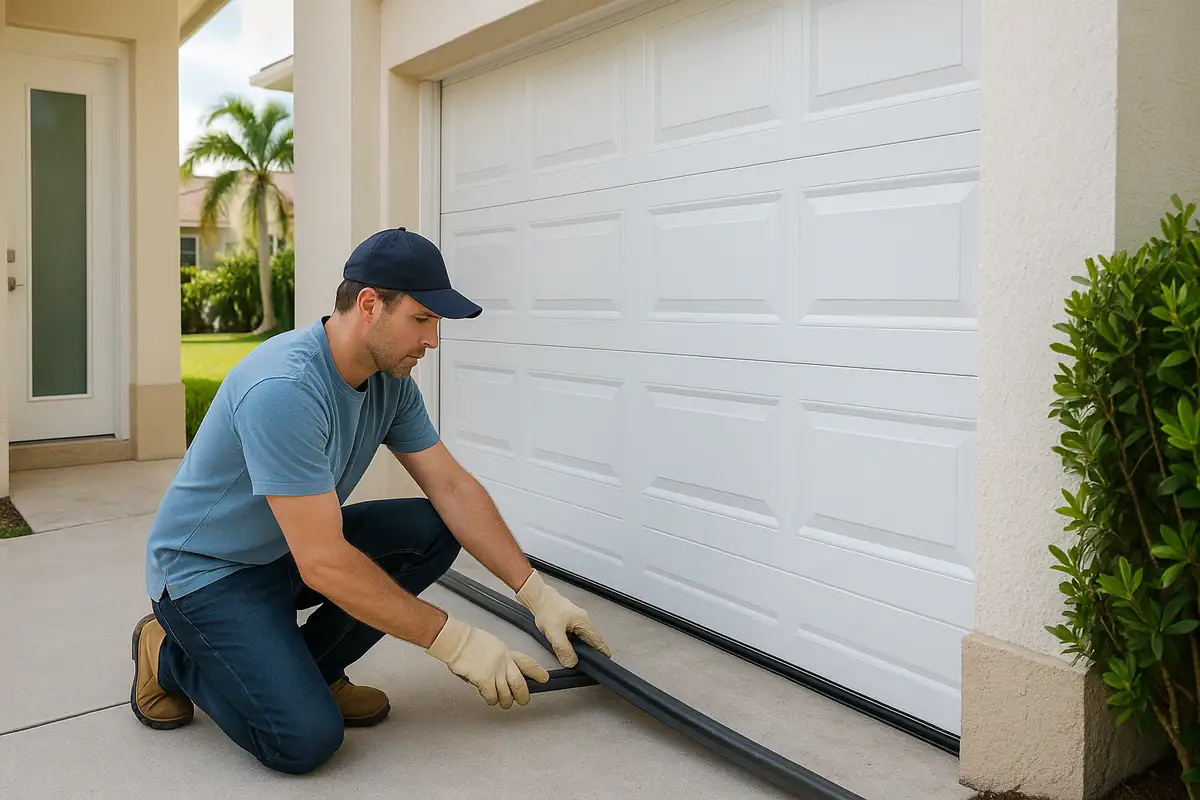
- Consider adding weather stripping around the edges for better soundproofing.
5. Professional Services
If you’ve tried the above tips and still experience noise issues, it may be time to call in the professionals:
- Boston Experts Garage Door Repair can diagnose and remedy any issue.
- Regular tune-ups can help spot potential problems before they escalate.
Statistics on Garage Door Noise
According to the International Door Association, over 70% of homeowners experience noise issues with their garage doors at some point. Regular maintenance and proper adjustments can solve most of these problems before they lead to costly repairs.
Conclusion: Take Action Today!
Don’t let a noisy garage door disrupt your peace of mind! By following these practical tips, you can significantly reduce the noise emanating from your garage door. And remember, for expert assistance, Boston Experts Garage Door Repair is just a call away. Our team is ready to help you ensure your garage door operates smoothly and quietly.
Explore More Resources
Related Articles
Service Areas
We proudly serve Boston, Allston, Riverside, Cambridgeport, West Cambridge and more areas.
Our Services
Professional garage door repair, spring repair, opener installation and more. View all services →