
Energy Efficiency and Your Garage Door: A Guide by Boston Experts Garage Door Repair
Is your garage door energy-efficient? Discover how upgrading or maintaining your garage door can help you save on energy bills and improve your home’s comfort. Boston Experts Garage Door Repair shares essential insights and tips.
Understanding Energy Efficiency in Garage Doors
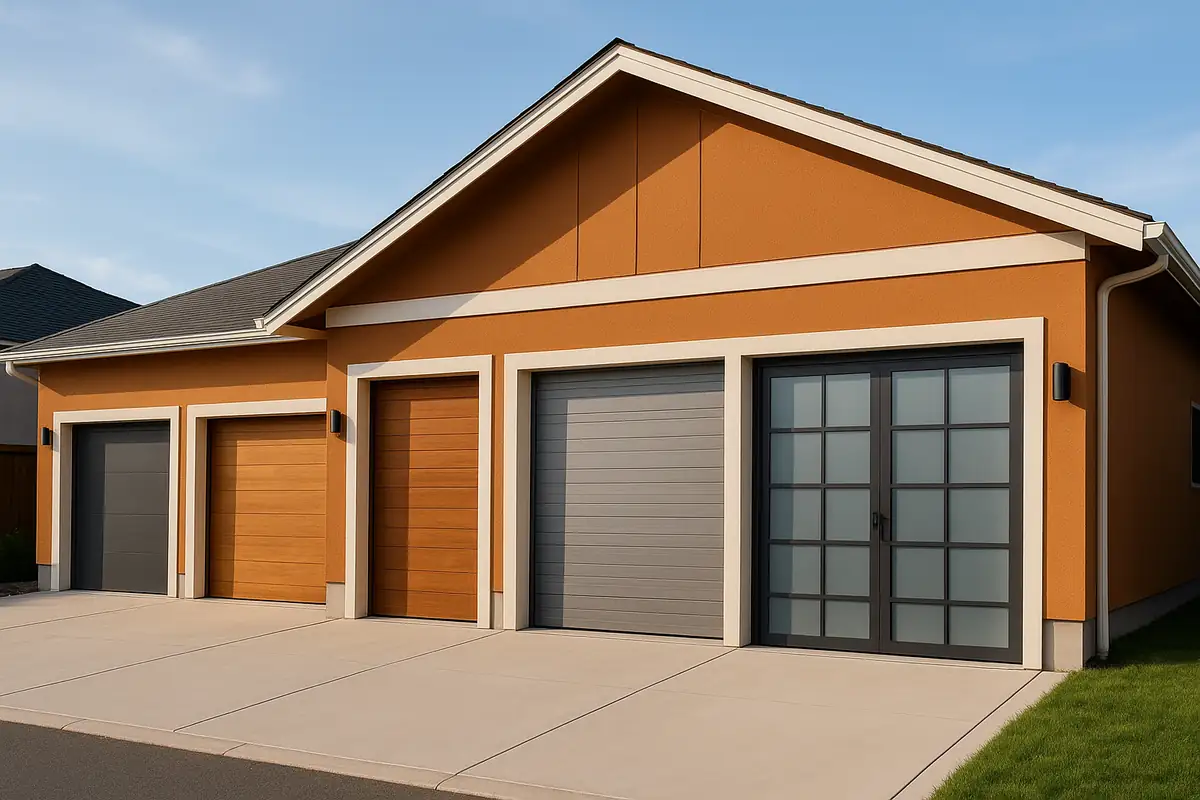
The garage door is often one of the largest openings in your home, and it plays a crucial role in energy efficiency. An outdated or poorly insulated garage door can lead to significant energy loss, impacting your comfort and utility bills. In the bustling city of Boston, where winters can be harsh, ensuring your garage door is energy-efficient is essential not just for comfort but also for saving money on heating and cooling costs.
Why Energy Efficiency Matters
Energy efficiency is the practice of reducing energy consumption while still maintaining comfort and functionality. When it comes to your garage door, this can mean everything from insulation to the mechanics of opening and closing. Consider these points:
- Cost Savings: An energy-efficient garage door helps lower your heating and cooling bills.
- Increased Comfort: By minimizing drafts and temperature fluctuations, your garage can be more comfortable year-round.
- Environmental Impact: Using less energy helps reduce your carbon footprint, contributing positively to the environment.
Statistics to Consider
According to the U.S. Department of Energy, heating and cooling account for over 50% of a home’s energy use. If your garage door is not energy-efficient, you could be wasting a significant part of your energy budget. Here are some eye-opening statistics:
- Homes with insulated garage doors can save an average of 15% on their heating energy costs.
- Non-insulated doors can drop in temperature significantly during winter months, further increasing heating needs by up to 20%.
Signs Your Garage Door Needs an Energy Efficiency Upgrade
It’s essential to recognize the warning signs that your garage door may be costing you more in energy bills than it should. Here are some indicators:
- Visible Damage: Look for cracks, dents, or gaps around the door or seals.
- Temperature Discrepancies: If your garage feels colder or hotter than the rest of your home, it might be time for an upgrade.
- Noisy Operation: Loud, jerky movements can indicate issues with insulation or mechanics.
Testing for Air Leaks
A simple way to check for air leaks is through the “light test.” Close your garage door and turn off all the lights. If you can see light coming through any gaps, it may indicate poor sealing that needs attention.
Choosing an Energy-Efficient Garage Door
When you're considering a new garage door, several key features can enhance its energy efficiency:
- Insulation: Look for doors with high-quality insulation materials such as polyurethane, which provides better thermal performance than polystyrene.
- Window Placement: While windows can add natural light, they can also be a source of energy loss. Choose double-paned or insulated windows to minimize heat transfer.
- Sealing: Ensure your garage door has proper weatherstripping and seals to keep drafts out.
Types of Energy-Efficient Garage Doors
There are several types of garage doors available that are designed to be energy-efficient:
- Steel Garage Doors: Known for durability and insulation, steel doors can be customized with high R-value insulation.
- Wood Garage Doors: While aesthetically pleasing, ensure they are properly insulated to maximize energy efficiency.
- Fiberglass Garage Doors: These lightweight doors resist dents and can be highly insulated, making them a great choice for energy savings.
Maintenance Tips for Energy Efficiency
To ensure your garage door remains energy-efficient, regular maintenance is essential. Here are some practical tips:
- Inspect Seals Regularly: Check the weatherstripping and replace it if it looks worn or damaged.
- Lubricate Moving Parts: Regular lubrication of the springs, rollers, and tracks can ensure smooth operation and reduce energy waste.
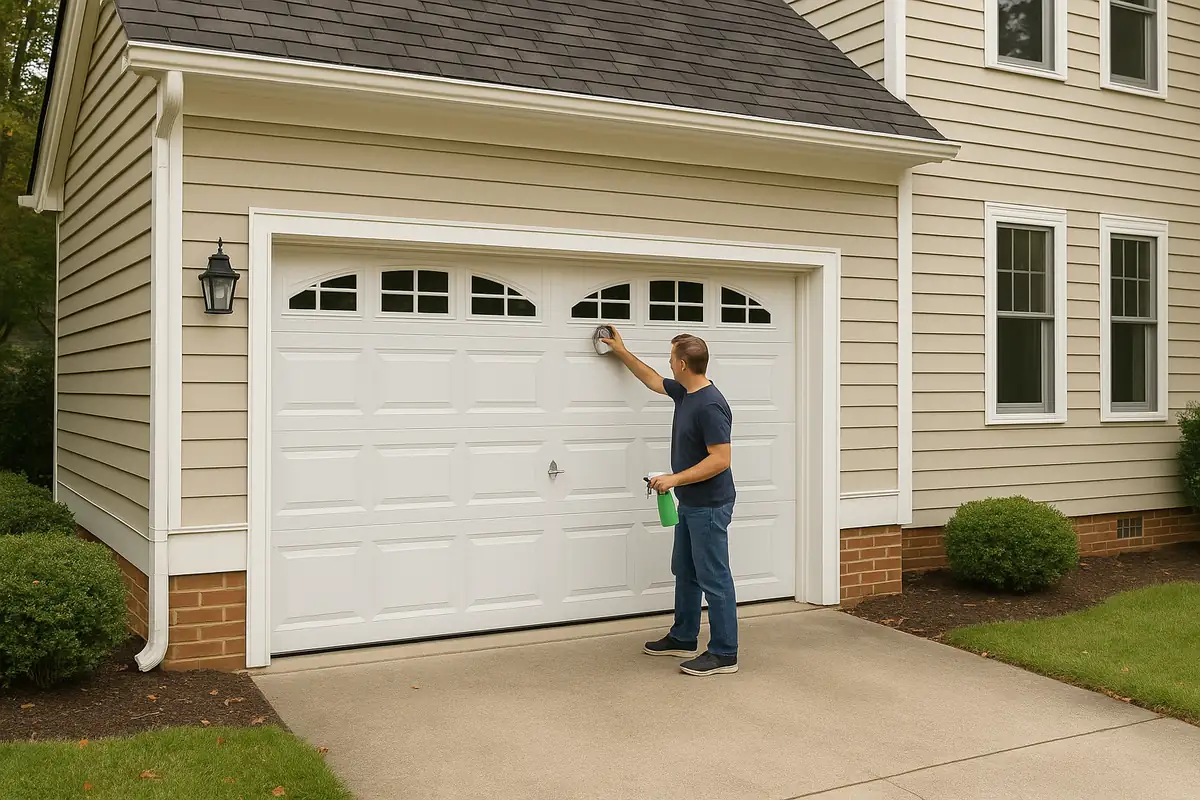
- Clean Your Garage Door: Dirt and debris can affect the seals and insulation, so regular cleaning is important.
Conclusion: Take Action for Your Energy Efficiency
Energy efficiency is not just a trend; it's a crucial aspect of home maintenance that can significantly influence your utility bills and comfort. If you're in Boston and your garage door shows signs of inefficiency, it's time to consider an upgrade or repair. At Boston Experts Garage Door Repair, we specialize in providing high-quality service and solutions tailored to your needs. Contact us today for an inspection, and let's ensure your garage door is working efficiently for years to come!
Explore More Resources
Related Articles
Service Areas
We proudly serve Boston, Allston, Riverside, Cambridgeport, West Cambridge and more areas.
Our Services
Professional garage door repair, spring repair, opener installation and more. View all services →
Signs Your Garage Door Opener Needs Replacement | Boston Experts Garage Door Repair
How to Reduce Garage Door Noise in Boston: Tips from Boston Experts Garage Door Repair
